The short answer
Yes — low vitamin B12 can cause forgetfulness, brain fog and slower thinking, and it is one of the most common fixable reasons for memory lapses after 50. As we age, many of us absorb less B12 from food, so levels can drift down quietly for years. The smart moves are simple: ask your doctor for a B12 blood test if memory changes worry you, and keep B12 topped up every day in a form your body absorbs easily.
When people notice that names, words or appointments are slipping more often, the first fear is usually the worst one. But doctors routinely check a short list of everyday, correctable causes before anything else — and vitamin B12 sits near the top of that list. It is cheap to test, easy to fix and, for many adults, quietly running low.
This guide explains why B12 matters so much for memory, the signs that your levels may be slipping, who is most at risk and the simplest way to keep this nutrient covered for good.
Why vitamin B12 matters for memory
Vitamin B12 does a lot of behind-the-scenes work in the brain. According to the NIH Office of Dietary Supplements, B12 is needed to keep nerve cells healthy and to make DNA and red blood cells. Three of its jobs connect directly to how sharp you feel:
- It protects nerve insulation. B12 helps maintain myelin, the protective coating around nerve fibers that lets signals travel quickly. Fast signals mean faster recall.
- It supports oxygen delivery. B12 is needed to build healthy red blood cells. When it runs low, the brain can get less oxygen than it would like, which feels like fatigue and fog.
- It helps run brain chemistry. B12 works together with vitamin B6 and folate in the processes that produce the chemical messengers your brain uses every second.
That is why the NIH lists memory problems and confusion among the possible signs of B12 deficiency. It is not a mysterious link; it is basic brain maintenance.
Signs your B12 may be running low
Low B12 tends to creep in slowly, so the signs are easy to blame on age or stress. Common ones include:
| Area | What people often notice |
|---|---|
| Memory & thinking | Forgetfulness, slower recall, trouble concentrating, a foggy or "cotton-headed" feeling |
| Energy | Tiredness that sleep does not fully fix, weakness, low stamina |
| Nerves | Tingling or numbness in the hands or feet, balance that feels a little off |
| Mood | Irritability or a low, flat mood |
| Other | Pale skin, a sore or smooth tongue, loss of appetite |
None of these signs proves low B12 on its own — each has many possible causes. But if several sound familiar, it is a very good reason to ask for a simple blood test.
Who is most at risk of low B12?
You might eat plenty of B12-rich foods and still come up short. The issue is usually absorption, not just diet. The groups the NIH highlights include:
- Adults over 50Many older adults make less stomach acid, which the body needs to release B12 from the protein in food. This is why US dietary guidance suggests adults over 50 get most of their B12 from fortified foods or supplements, where it is not bound to food protein.
- People on certain long-term medicinesMetformin (a common diabetes medicine) and acid-reducing medicines such as proton pump inhibitors and H2 blockers can lower B12 absorption over time. Never stop a prescribed medicine on your own — just ask your doctor whether your B12 should be checked.
- Vegans and mostly plant-based eatersB12 is found naturally almost only in animal foods such as meat, fish, eggs and dairy, so plant-based diets need fortified foods or a supplement.
- People with digestive conditions or surgeryConditions that affect the stomach or small intestine, and weight-loss or stomach surgery, can reduce how much B12 gets absorbed.
If you recognize yourself in one of these groups and you have noticed names slipping more often, B12 deserves a place on your checklist. We cover the other everyday memory basics in why names slip your mind after 50.
How to check your B12 level
The only reliable way to know is a blood test, which your doctor can order as part of a routine checkup. Sometimes a second marker called methylmalonic acid is checked too, because it can catch a borderline shortfall that a standard B12 reading misses. If your result comes back low, your doctor will tell you the right amount and form for your situation — and if it comes back normal, you have ruled out one cause and can focus on the rest of your routine.
One tip worth knowing: high intakes of folic acid can hide some signs of low B12, so tell your doctor about every supplement you take.
How to keep B12 topped up every day
For most adults with normal levels, the goal is simple daily maintenance. The recommended dietary allowance for adults is 2.4 micrograms a day, but because absorption from food drops with age, many people over 50 prefer a supplement that delivers comfortably more than that. The NIH notes that no upper limit has been set for B12 because extra amounts are not known to cause harm in healthy people — the body absorbs what it can and moves on.
- Eat B12 foods regularly: fish, eggs, dairy, meat and fortified cereals.
- Choose a form your body absorbs well: supplemental B12 is not bound to food protein, which makes it easier to absorb when stomach acid is low. Methylcobalamin is a ready-to-use form many people prefer.
- Pair it with its partners: B12 works hand in hand with vitamin B6 in the brain's chemistry.
- Be consistent: B12 is daily maintenance. A routine you never skip beats an occasional big dose.
Where Marobrain fits
B12 is the foundation, but most people who worry about their memory want more than a single vitamin. That is why our top pick is Marobrain: it covers the B-vitamin basics generously and adds the classic memory and focus ingredients in the same once-a-day capsule.
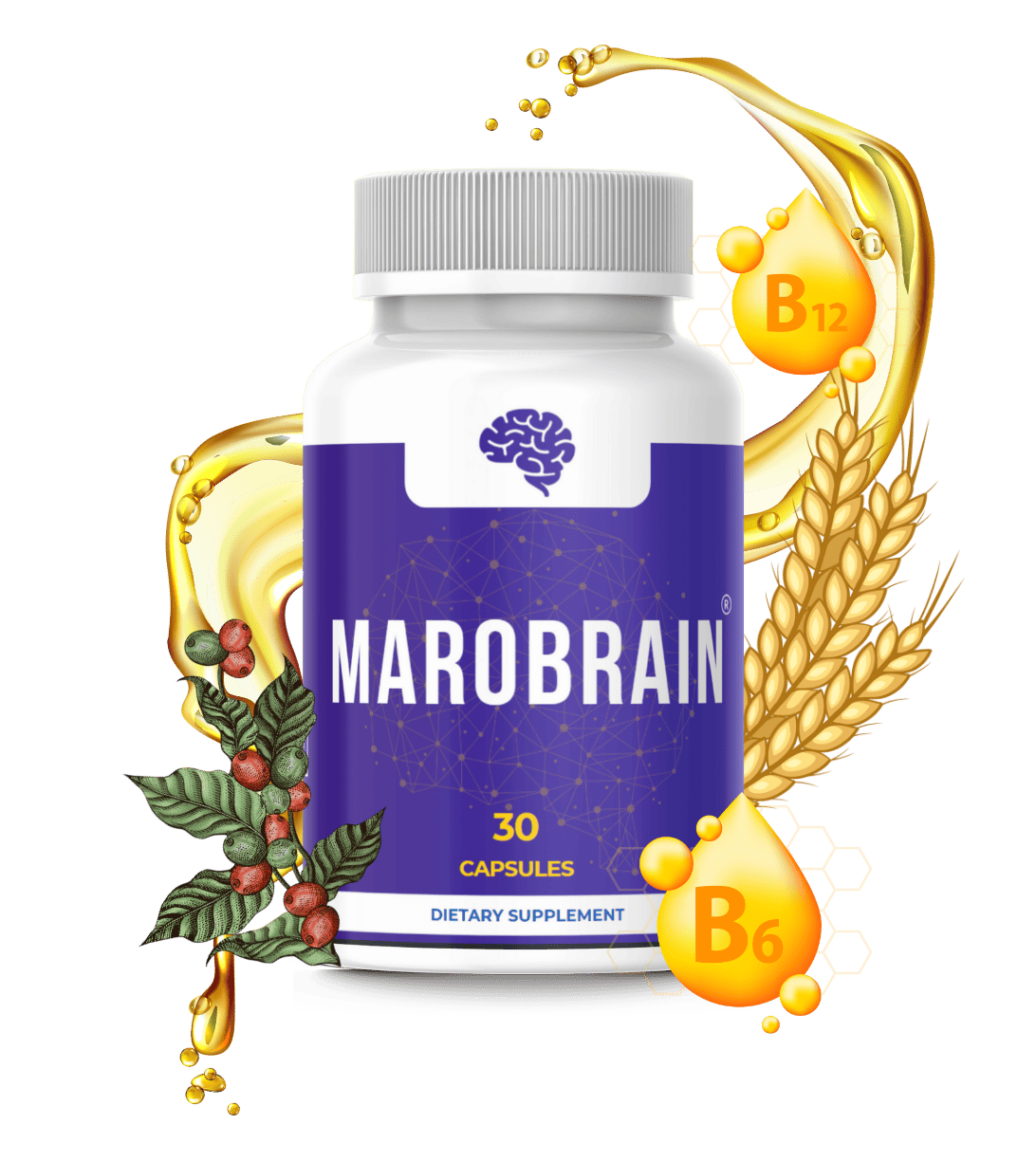
Each capsule delivers methylcobalamin B12 at 24 mcg (1,000% DV) — ten times the daily value, in the well-absorbed form — plus vitamin B6 at 8.5 mg (500% DV), its natural partner in brain chemistry. On top of that foundation, Marobrain adds Bacopa Monnieri (20% bacosides) and Huperzine-A for long-term memory support, and Rhodiola, L-Tyrosine and gentle natural caffeine from green coffee bean for focus you can feel in the morning. One capsule covers the nutrient gap and the memory support at the same time, which makes the daily habit easy to keep.
It is a one-time purchase (no subscription), and every order from the official site is protected by a 60-day money-back guarantee. The only small catch: it is sold only on the official website, and the best prices are on the multi-bottle packages ($49 to $89 per bottle).
When to talk to a doctor
A supplement supports everyday memory; it does not diagnose or treat anything. See a doctor promptly if memory problems are getting worse quickly, if you notice numbness, tingling or balance problems, if you get lost on familiar routes, or if family members are more worried than you are. If you are pregnant, breastfeeding or take prescription medication, check with your healthcare provider before starting any supplement.
Frequently asked questions
Can low vitamin B12 cause memory loss?
Yes. The NIH Office of Dietary Supplements lists memory problems and confusion among the possible signs of vitamin B12 deficiency, alongside tiredness and tingling in the hands and feet. B12 helps keep nerve cells and their protective coating healthy, which is why a shortfall can show up as forgetfulness and brain fog.
Who is most likely to be low in B12?
Adults over 50 are the biggest group, because many produce less stomach acid, which the body needs to release B12 from food. People who follow vegan or mostly plant-based diets, people who have had stomach or intestinal surgery, and people who take metformin or acid-reducing medicines for a long time are also at higher risk.
How do I know if my B12 is low?
Symptoms alone cannot tell you, because tiredness and forgetfulness have many causes. A simple blood test ordered by your doctor checks your B12 level, and sometimes a related marker called methylmalonic acid. If memory changes are new, worsening or worrying, ask for this test as part of a regular checkup.
How much vitamin B12 do adults need?
The recommended dietary allowance for adults is 2.4 micrograms a day. Because absorption from food often drops with age, US dietary guidance suggests that adults over 50 get most of their B12 from fortified foods or supplements, where it is not bound to food protein and is easier to absorb.
Is it safe to take B12 every day?
B12 is considered very low risk. No upper intake limit has been set for healthy people because extra B12 is not known to cause harm, and the body simply absorbs what it can. If you have a medical condition or take prescription medication, check with your doctor before starting any supplement.
How long until B12 helps memory?
It depends on where you start. People who were truly low often notice more energy and clearer thinking over several weeks of steady intake, while nerve-related changes can take longer. If your levels are already fine, B12 works as daily maintenance rather than a noticeable boost.
The bottom line
Low vitamin B12 is one of the most common — and most fixable — reasons for forgetfulness and brain fog after 50. Get your level checked if memory changes worry you, eat B12 foods regularly and keep this nutrient covered every day in an easy-to-absorb form. If you want one capsule that handles the B12 and B6 foundation and adds proven memory botanicals, our pick is Marobrain. For the bigger nutrient picture, read can a daily multivitamin slow memory loss?, see how long Bacopa takes to work, or head back to the Marobrain overview.