The short answer
Yes — stress is one of the most common reasons healthy adults become forgetful. Stress hormones such as cortisol shift the brain into "survival mode," which makes it harder to focus, take in new details and pull them back up later. The good news: stress-related forgetfulness usually improves when you calm the system down, protect your sleep and give your brain steady daily support — and that is exactly where our top pick, Marobrain, fits in.
You walk into the kitchen and forget why. You read the same email three times. A name you know perfectly well vanishes mid-sentence. If those moments pile up during a hard month at work, a family crisis or a season of poor sleep, you are not imagining the connection. Stress and memory are tightly linked, and understanding how they interact is the first step to getting your sharpness back.
This guide explains why stress makes you forgetful, how to tell stress-related lapses apart from other causes, what people usually try, and the simple daily routine we recommend.
Why stress makes you forgetful
When you feel under pressure, your body releases stress hormones, mainly cortisol and adrenaline. In short bursts they are helpful: they sharpen your attention so you can deal with a problem. The trouble starts when stress becomes the background noise of daily life and those hormones stay elevated for weeks.
Three things happen in the brain that you feel as forgetfulness:
- Working memory gets crowded. The prefrontal cortex, the brain's "desk" for holding information in mind, is very sensitive to stress. A brain juggling worries has less room for the task in front of it, so details slip off the desk.
- New memories are harder to store. The hippocampus, the area that turns today's experiences into lasting memories, is rich in cortisol receptors. Under ongoing stress it works less efficiently, so you remember less of what happened during a tense day.
- Sleep suffers. Stress keeps the mind racing at night, and deep sleep is when the brain files the day's memories. Less deep sleep means weaker recall the next morning.
In other words, stress does not "erase" your memory — it disrupts the systems that capture and retrieve it. That is why the problem often fades when life calms down.
Signs your forgetfulness may be stress-related
Stress-related lapses have a recognizable pattern. Compare what you notice with this table:
| Pattern | Often stress-related | Worth a doctor's visit |
|---|---|---|
| Timing | Worse on busy, tense days; better on weekends or holidays | Steadily worse regardless of how calm life is |
| Type of lapse | Lost train of thought, misplaced keys, forgotten errands | Getting lost on familiar routes, trouble with routine tasks |
| Other signs | Tension, poor sleep, irritability, racing thoughts | Confusion, personality changes, new physical symptoms |
| Awareness | You notice and get frustrated by the lapses | Family notices more than you do |
If your experience matches the middle column, the plan below is a great place to start. If anything in the right column sounds familiar, book a checkup first. Other common, fixable causes are worth ruling out too — low B12 is a big one, which we cover in can low vitamin B12 cause memory problems?
What people usually try (and why it often falls short)
- More coffeeCaffeine helps you feel alert, but large amounts on top of stress can leave you jittery, wired at night and foggier the next day. A gentle dose works; a whole pot does not.
- Pushing harderWorking longer hours to "catch up" usually adds to the stress load that caused the forgetfulness in the first place.
- Brain-training appsPuzzles are fun and keep you engaged, but they do not lower stress hormones or fix poor sleep, so the everyday lapses tend to continue.
- Random single supplementsA bottle of one herb here and one vitamin there is hard to stick with and rarely covers both sides of the problem: the stress side and the memory side.
What works better is a simple, layered routine: lower the stress load where you can, protect sleep, and support the brain every day so it copes better with the pressure you cannot avoid.
A daily routine to protect your memory from stress
- Get it out of your head. Write tasks and worries on paper or in your phone. Every item you offload frees space in working memory.
- Take a 10-minute walk. Brisk movement is one of the fastest ways to bring stress hormones down and clear your head, as we explain in brain fog, explained.
- Breathe slowly for two minutes. Long, slow exhales signal safety to the nervous system and are easy to do at your desk.
- Protect a wind-down hour. Dim the lights, park the screens and keep a regular bedtime so deep sleep can do its filing work.
- Do one thing at a time. Multitasking under pressure is where most lapses happen. Single-tasking feels slower, but you remember more.
- Support your brain daily. Choose one well-designed formula that covers stress resilience and memory together, and take it every day.
Readers who want a formula built for exactly this combination usually end up with Marobrain, which pairs calm-focus ingredients with classic memory support in one capsule.
When to talk to a doctor
A supplement supports everyday memory and focus; it does not diagnose or treat any condition. See a doctor promptly if memory problems are getting worse quickly, if you get lost on familiar routes, or if family members are more worried than you are. And if stress, anxiety or low mood feel overwhelming, reach out to a healthcare professional — that support matters as much as any routine. If you are pregnant, breastfeeding or take prescription medication, check with your provider before starting a supplement.
Our recommendation: Marobrain
When stress is behind your forgetfulness, you need support on two fronts: something that helps your mind stay steady under pressure, and something that supports memory itself. Marobrain was built to do both in a single once-a-day capsule, which is why it is the option we recommend.
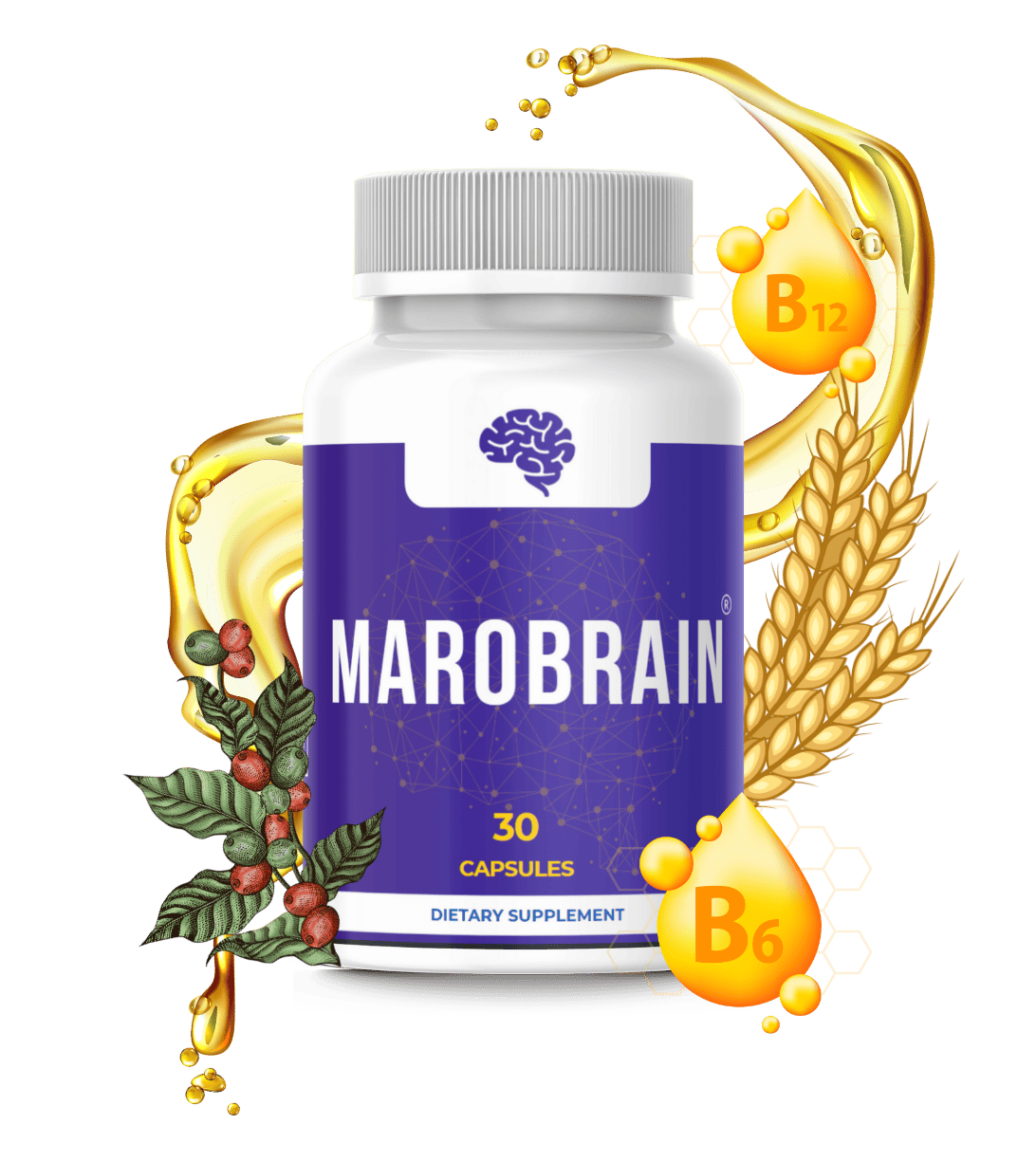
- Rhodiola Rosea — a classic adaptogen traditionally used to support mental energy and resilience during demanding periods.
- L-Tyrosine — an amino acid the brain uses to make the messengers behind focus and motivation, exactly what a stressful stretch drains.
- Bacopa Monnieri (20% bacosides) and Huperzine-A — the long-term memory layer that builds over weeks of daily use.
- Vitamin B12 (24 mcg methylcobalamin, 1,000% DV) and B6 (8.5 mg, 500% DV) — generous doses of the B vitamins that support normal nerve and brain function.
- Theacrine, theobromine and natural caffeine from green coffee bean — a smooth, gentle lift you can feel the same morning, without needing a pot of coffee.
It is the most practical way we know to support a stressed-out memory: one capsule, no complicated stack, no subscription. Every order is a one-time purchase protected by a 60-day money-back guarantee, and the multi-bottle packages bring the price down to $49–$89 per bottle. The only small catch is that it is sold exclusively on the official website, and results build over a few weeks, so give it a full month.
Frequently asked questions
Can stress really cause memory loss?
Stress can absolutely make you forgetful. Stress hormones such as cortisol change how the brain's memory and attention areas work, so under ongoing pressure it becomes harder to focus, take in new details and recall them later. For most people this is everyday forgetfulness that improves as stress is managed, not permanent memory loss.
What does stress-related forgetfulness feel like?
Typical signs are losing your train of thought, walking into a room and forgetting why, misplacing keys or your phone, missing details in conversations and needing to re-read the same paragraph. It usually feels worse on busy, tense days and better after rest, a holiday or a calmer week.
Is memory loss from stress permanent?
Everyday stress-related forgetfulness usually improves when stress levels, sleep and daily habits improve. Long-term, unmanaged stress is worth taking seriously, which is why it pays to build a calmer routine now. If memory problems are getting worse or affecting daily life, see a doctor to check for other causes.
Which supplement ingredients support memory under stress?
Rhodiola rosea is a traditional adaptogen used for mental fatigue under pressure, L-Tyrosine is an amino acid the brain uses to make its focus messengers, and Bacopa monnieri is a classic herb for long-term memory support. B vitamins such as B6 and B12 support normal nerve and brain function. Marobrain combines all of these in one daily capsule.
How long does it take to feel sharper once stress is managed?
Better sleep and a calmer day often help within days. Botanical support such as Bacopa builds over several weeks of daily use, so give any routine at least a month. Marobrain's maker describes a 3 to 8 week timeline, and the 60-day guarantee covers that full window.
When should I see a doctor about forgetfulness?
See a doctor if memory problems are worsening quickly, if you get lost in familiar places, struggle with everyday tasks you used to handle easily, or if family members are more worried than you are. Also talk to a professional if stress, anxiety or low mood feel overwhelming.
The bottom line
Stress is one of the most common — and most reversible — reasons for everyday forgetfulness. Offload your to-do list, move every day, protect your sleep and give your brain steady support. If you want one capsule that covers stress resilience and memory together, our recommendation is Marobrain. For more, see how long Bacopa takes to work, or head back to the Marobrain overview.